Welcome to Yilong Integrated Housing Technology Co., Ltd.
 +86-15130850111
 yljcfw@gmail.com

The demand for flexible, affordable, and fast-to-install housing solutions is growing rapidly across the world. From remote construction sites and vacation cabins to emergency housing and modern residential projects, the 20 Feet Flat Roof Expandable Container House has become one of the most practical solutions available today. This article explores its advantages, applications, features, installation process, cost factors, customization possibilities, and buying considerations to help you make a confident investment decision.

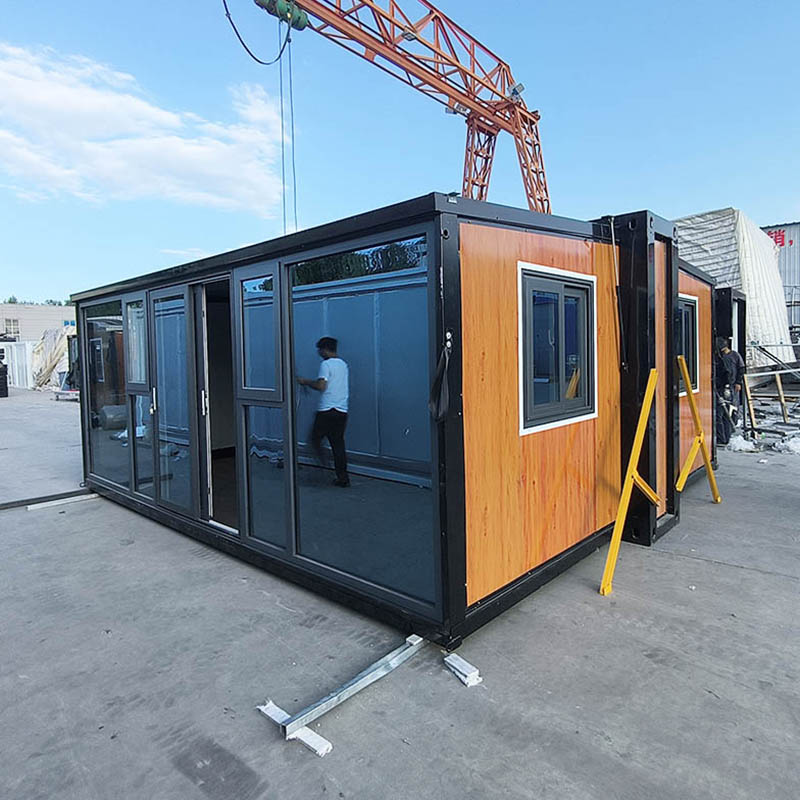
A 20 Feet Flat Roof Expandable Container House is a prefabricated modular structure designed for rapid deployment and efficient space utilization. Unlike traditional shipping containers, this structure can expand outward after transportation, creating a significantly larger interior living area while maintaining compact dimensions during shipping.
The flat roof design provides a clean modern appearance while also improving rainwater management and solar panel installation opportunities. These houses are widely used for residential living, temporary accommodation, offices, medical units, commercial spaces, guard rooms, and vacation cabins.
| Feature | Description |
|---|---|
| Size | 20-foot transport dimensions |
| Expandable Design | Fold-out sections increase interior space |
| Roof Type | Modern flat roof structure |
| Installation | Quick assembly within hours |
| Mobility | Easy transportation and relocation |
Many customers choose expandable container homes because they solve multiple housing challenges simultaneously. They combine portability, affordability, durability, and modern aesthetics into a single solution.
For businesses operating in mining, construction, tourism, and disaster relief sectors, the ability to deploy housing rapidly can dramatically improve operational efficiency.
Homeowners also appreciate the flexibility of modular living spaces. A 20-foot expandable house can function as a guest house, home office, rental cabin, or permanent residence depending on the design configuration.
The versatility of expandable container housing allows it to serve a wide variety of industries and personal uses.
Perfect for affordable housing, backyard studios, retirement homes, and vacation cabins.
Provides temporary worker accommodation and mobile office facilities in remote locations.
Quick deployment helps provide shelter during natural disasters and humanitarian crises.
Can operate as cafés, retail kiosks, exhibition rooms, and pop-up stores.
Tourism operators increasingly use expandable container homes as eco-resorts or glamping accommodations because they combine modern comfort with efficient land usage.
The quality of materials directly affects durability, insulation, and long-term performance. High-quality expandable container houses generally feature galvanized steel frames and insulated wall panels.
Most manufacturers use sandwich panels filled with EPS, rock wool, or polyurethane insulation materials. These panels improve thermal insulation and soundproofing performance.
| Component | Common Material | Benefit |
|---|---|---|
| Main Frame | Galvanized Steel | Corrosion resistance and strength |
| Wall Panels | Sandwich Panels | Thermal insulation |
| Flooring | Fiber Cement Board + PVC | Durability and easy cleaning |
| Windows | Aluminum Alloy | Weather resistance |
The flat roof structure also allows easy integration of solar energy systems and rooftop equipment.
Many buyers compare modular expandable homes with conventional concrete or brick structures before making a decision.
| Factor | Expandable Container House | Traditional Building |
|---|---|---|
| Construction Time | Hours or days | Several months |
| Mobility | Relocatable | Fixed location |
| Labor Requirement | Low | High |
| Environmental Impact | Lower waste generation | Higher construction waste |
| Cost Predictability | More stable pricing | Variable costs |
While traditional buildings may offer greater customization for very large projects, expandable container homes provide exceptional efficiency and flexibility for modern housing demands.
One of the biggest advantages of expandable container housing is the simplified installation process.
In many cases, the main structure can be operational within a single day. This rapid setup reduces downtime and labor expenses significantly.
The foldable design also minimizes shipping volume, allowing more units to be transported in fewer containers, reducing logistics costs for international buyers.
Modern buyers expect more than simple temporary housing. Expandable container homes can now be customized to match residential comfort and commercial branding requirements.
Some customers even combine multiple expandable units to create larger villas, offices, classrooms, or hospitality projects.
Manufacturers like Yilong Integrated Housing Technology Co., Ltd. provide tailored design services to help clients adapt container structures to local climate conditions, project budgets, and operational requirements.
Pricing can vary considerably depending on specifications, materials, and transportation conditions.
Although the initial investment may vary, expandable container houses often reduce long-term operational and construction costs compared with conventional buildings.
Businesses particularly value predictable pricing and faster project completion timelines.
A well-manufactured expandable container house can last for decades with proper maintenance.
Key maintenance practices include:
Galvanized steel structures are highly resistant to corrosion, but environmental conditions such as coastal salt exposure may require additional protective treatments.
Sustainability has become increasingly important in modern construction. Expandable container houses support environmentally responsible building practices in several ways.
Energy-efficient wall systems help maintain comfortable indoor temperatures while reducing electricity consumption for heating and cooling.
Many buyers also choose rainwater collection systems and off-grid solar power solutions to further reduce environmental impact.
Selecting a reliable manufacturer is critical for ensuring quality, safety, and long-term performance.
Before purchasing, buyers should evaluate:
| Evaluation Area | What to Check |
|---|---|
| Manufacturing Experience | Years in modular housing industry |
| Certifications | Compliance with international standards |
| Customization Ability | Design flexibility and engineering support |
| Project References | Previous customer projects |
| After-Sales Service | Technical support and spare parts |
Professional suppliers typically provide detailed technical drawings, shipping support, installation guidance, and customized production solutions.
Yilong Integrated Housing Technology Co., Ltd. has developed a reputation for providing modern expandable container housing solutions with flexible customization capabilities and reliable structural engineering support.
Yes. With proper insulation, plumbing, electrical systems, and interior finishing, these structures can function as comfortable long-term residences.
Most units can be expanded and installed within several hours, depending on site preparation and utility connections.
High-quality units include waterproof roofing systems, sealed wall panels, and weather-resistant doors and windows designed for outdoor use.
Strong galvanized steel frames and reinforced structural systems allow these houses to perform well in various climates, including windy and rainy environments.
Yes. Buyers can customize layout, colors, insulation, flooring, kitchen systems, bathrooms, lighting, and many other features.
A standard 20-foot expandable container house can typically accommodate 2–4 people comfortably depending on the internal layout.
The 20 Feet Flat Roof Expandable Container House represents a modern approach to flexible living and efficient construction. Its combination of rapid deployment, affordability, mobility, durability, and stylish design makes it suitable for a wide range of applications worldwide.
Whether you are searching for a residential solution, commercial workspace, tourism accommodation, or emergency housing system, expandable container homes offer impressive advantages over many traditional construction methods.
As global demand for modular housing continues to increase, manufacturers are introducing more advanced designs, smarter layouts, and higher-quality materials to meet evolving customer expectations.
Yilong Integrated Housing Technology Co., Ltd. specializes in innovative expandable container housing solutions designed for residential, commercial, and industrial applications worldwide. Whether you need standard models or customized modular buildings, our professional team is ready to support your project from design to delivery.
Contact us today to explore customized expandable container house solutions for your next project.