Welcome to Yilong Integrated Housing Technology Co., Ltd.
 +86-15130850111
 yljcfw@gmail.com

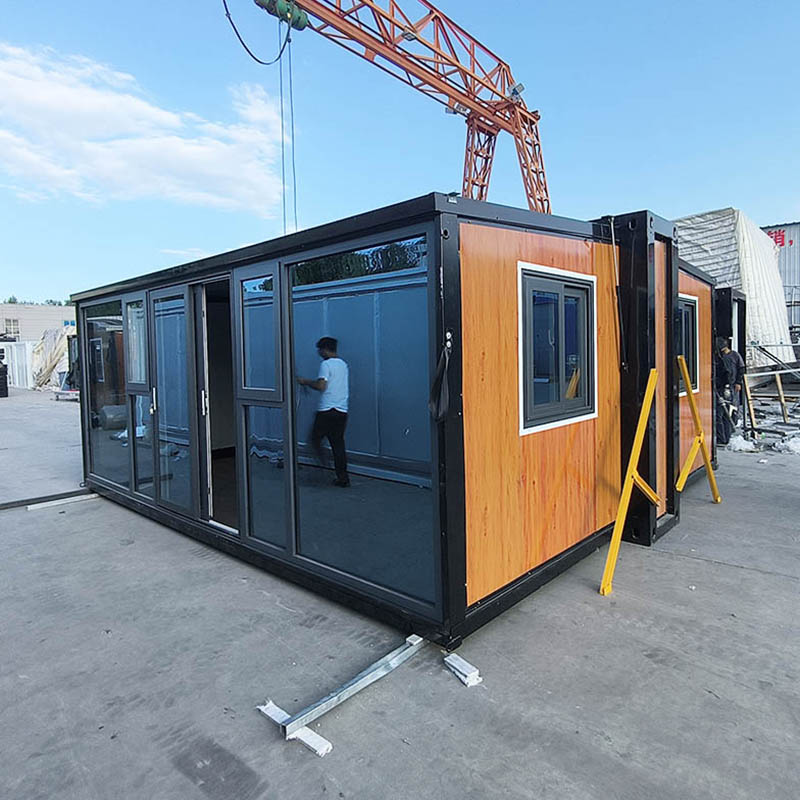
Showroom prototypes only execute limited unfolding‑folding demo cycles for visitor presentation. Real‑world emergency‑housing or remote‑camp assignments may demand repeated re‑deployment: units get folded for relocation, expanded for occupation multiple times throughout project lifespans. Under thousands‑time mechanical reciprocating motion, inferior hinge‑pivots and welded transition points develop incremental permanent deformation. Over successive fold‑expand operations, side‑wing panels lose parallel alignment; locking latches fail to engage properly. Static showroom visual inspection cannot forecast slow cumulative hinge‑system wear. Yilong Integrated House subjects full‑size assembled units to large‑quantity fold‑unfold lab‑simulation. Post‑cycle geometric‑tolerance measurement verifies hinge‑joint anti‑fatigue performance, preventing panel‑misalignment incidents for multi‑relocation modular‑housing deployments.
Showroom prototype units sit static on exhibition‑hall floors without long‑haul container‑transport shock and sustained vibration. During inter‑modal ocean‑land logistics, stacked folded expandable houses receive continuous multi‑axis vibration and occasional impact load. Self‑locking fasteners for wing‑panel frames can gradually work loose; flexible perimeter sealing strips shift out of installation grooves. After site‑unfolding, displaced seals create intermittent water‑leakage pathways, though every component still appears visually intact. This kind of hidden transit‑damage cannot be discovered prior to field deployment. Yilong Integrated House completes full‑unit vibration‑ageing lab‑testing simulating typical ocean‑container transport spectrum. Post‑simulation fastener‑torque and seal‑position inspection filters marginal‑fit assembly schemes, lowering post‑arrival on‑site water‑intrusion repair‑work for overseas modular‑housing batches.
Prototype showroom units stay sheltered inside buildings, free from salt‑mist erosion and sharp temperature alternation. Many global modular‑housing projects locate at coastal work‑camps or island emergency‑relief sites. Steel hinge‑components, frame weld‑seams and exterior cladding suffer joint influence of salt‑spray corrosion plus freeze‑thaw thermal‑shock. Even units passing single‑batch anti‑corrosion appearance‑check may develop local rust‑spot and coating‑peeling after several seasons outdoors. Yilong Integrated House executes combined ASTM B117 salt‑spray and temperature‑swing cyclic‑ageing assessment for finished expandable‑house assemblies. Acceptance criteria cover weld‑seam, hinge hardware and sandwich‑panel edge anti‑corrosion capability, stabilising service‑life expectation for high‑humidity coastal‑project delivery.
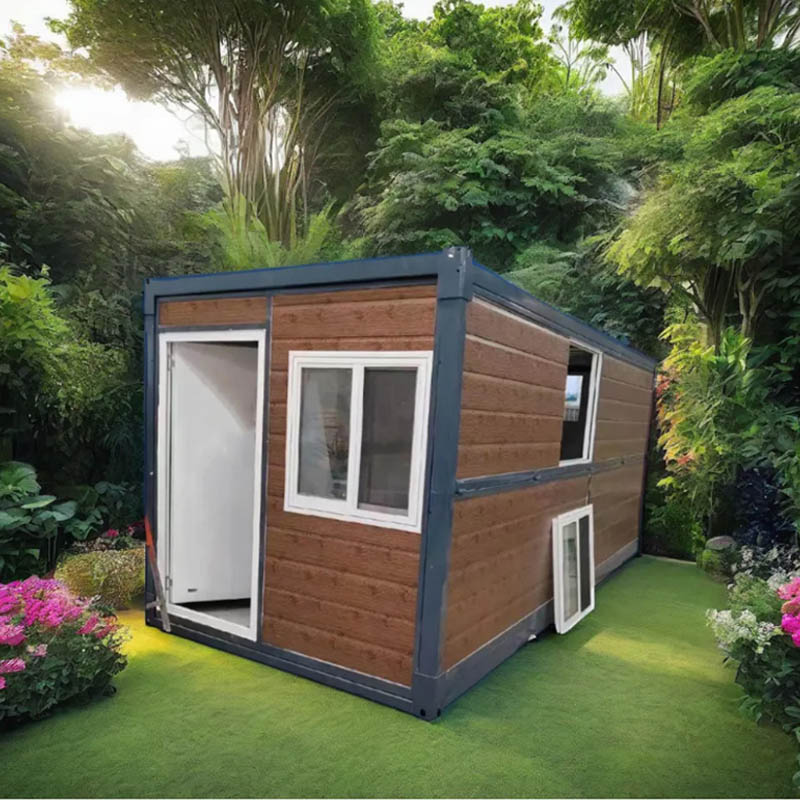
Showroom‑stage water‑proof inspection often carries out short‑duration spray‑test under perfectly adjusted prototype‑panel alignment. On actual project‑sites, foundation minor settlement, transportation‑induced tiny frame‑distortion change panel‑closing geometry. Some sealing‑gaps only emerge under slight frame‑deformation status, which never occurs on ideal showroom prototypes. Ordinary static waterproof‑test on perfectly‑aligned samples cannot reproduce these real‑world gap‑conditions. Yilong Integrated House simulates permissible‑range foundation‑settlement‑induced micro‑frame‑offset, then implements full‑perimeter high‑pressure water‑spray penetration inspection. This finds intermittent seal‑leakage points that hide within ideal‑geometry prototype‑evaluation, improving real‑site rain‑water‑proof reliability for long‑term occupied expandable‑container‑house units.
Prototype showroom‑electrical‑plumbing systems get assembled and tested under static workshop‑state. Ocean‑transit sustained vibration may loosen wire‑terminal connections, pipe‑thread joints pre‑installed inside folded wing‑panels. After site‑expansion, loose terminals bring intermittent power‑failure or hidden short‑circuit risk; plumbing‑thread loosening triggers slow fluid‑leakage. These latent MEP‑hazards are invisible from exterior visual‑check. Yilong Integrated House integrates complete pre‑assembled electrical‑plumbing subsystem into vibration‑simulation test objects. Post‑vibration continuity‑testing and pressure‑holding‑verification eliminate transit‑loosening‑related hidden‑danger, protecting end‑user safety for turn‑key modular‑housing project hand‑over.
International EPC and emergency‑housing tender audits demand aggregated technical archives: hinge‑fatigue test‑reports, anti‑corrosion lab‑records, water‑penetration‑test logs, MEP‑safety‑certification and structural‑load‑calculation documents. Isolated showroom‑prototype‑test‑certificates do not represent serial‑production‑batch compliance. Without lot‑corresponding complete English‑language engineering‑dossiers, expandable‑house batches risk site‑acceptance hold‑up and delay overall modular‑project milestones. Yilong Integrated House compiles unified project‑tied documentation‑packages containing above‑mentioned test‑results. Ready‑for‑third‑party‑review archives remove documentation‑gap‑caused project‑stall risks for global cross‑border modular‑construction‑project execution.