Welcome to Yilong Integrated Housing Technology Co., Ltd.
 +86-15130850111
 yljcfw@gmail.com

Military Mobile Homes have become a critical component of modern defense infrastructure, offering rapid deployment, adaptability, and reliable living solutions in both combat and non-combat environments. This article provides an in-depth, professional overview of Military Mobile Homes, focusing on their structural parameters, operational use cases, logistical advantages, and evolving deployment scenarios. Through a structured analysis and frequently asked questions, the article clarifies how these mobile housing systems support military readiness, humanitarian missions, and remote operations while aligning with global defense standards.
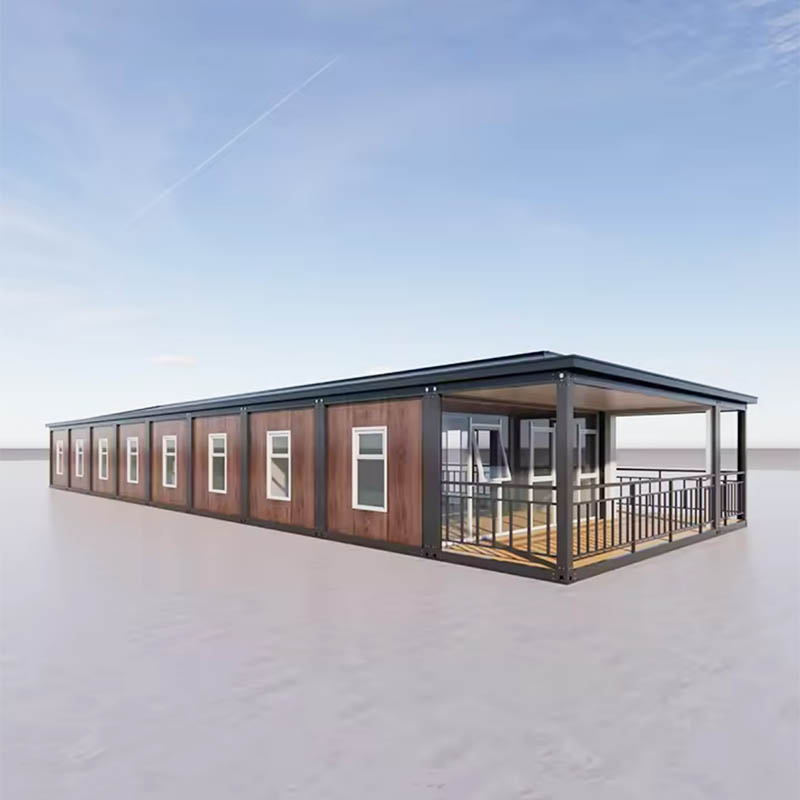
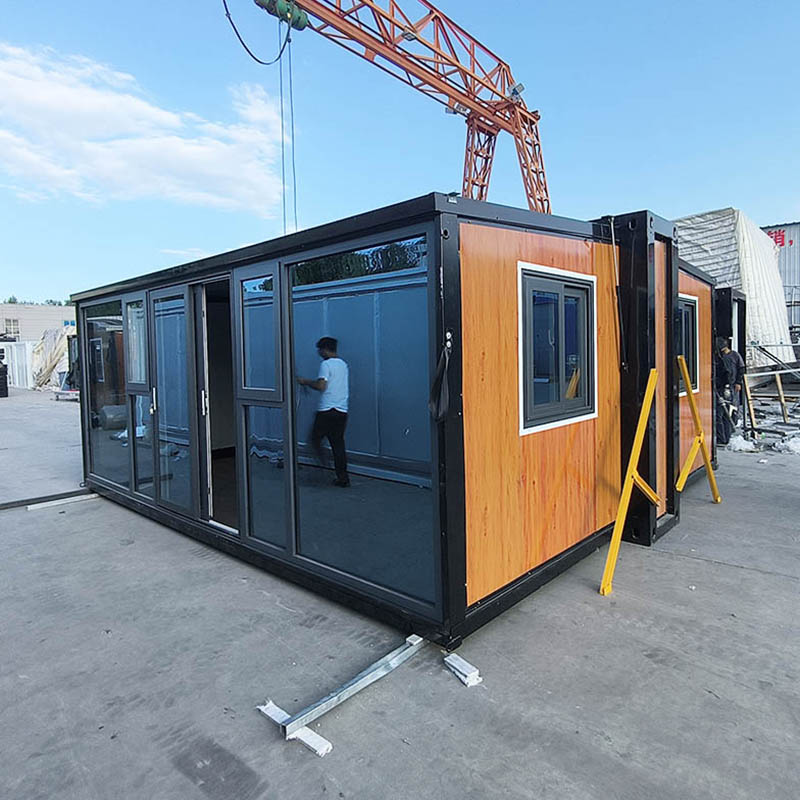
Military Mobile Homes are purpose-built, transportable housing units designed to provide secure, durable, and functional accommodation for military personnel in diverse operational environments. These units are engineered to support rapid mobilization and sustained deployment, enabling armed forces to establish living quarters in remote, austere, or temporary locations without relying on permanent infrastructure.
The central purpose of Military Mobile Homes is to ensure operational continuity by offering standardized living, command, and support spaces that can be deployed alongside military assets. Their modular construction allows for scalable configurations, supporting small units or large battalion-level deployments. From training exercises to peacekeeping missions and disaster response operations, these housing systems play a vital role in maintaining troop welfare and mission effectiveness.
Unlike conventional temporary shelters, Military Mobile Homes are designed with long-term usability in mind. They integrate insulation, environmental control systems, and structural reinforcement to withstand harsh climates, transportation stress, and extended occupancy. This combination of mobility and durability positions them as a strategic asset within modern defense logistics.
The performance and reliability of Military Mobile Homes are defined by their engineering parameters. These specifications ensure compliance with military standards for safety, transport, and environmental resistance. The following table outlines representative technical parameters commonly associated with professional-grade Military Mobile Homes.
| Parameter | Specification Range |
|---|---|
| Overall Length | 6–12 meters (customizable) |
| Structural Frame | High-strength galvanized steel or aluminum alloy |
| Wall System | Composite insulated panels with fire-retardant core |
| Thermal Insulation | Designed for -40°C to +55°C operating range |
| Mobility | Truck-mounted, trailer-based, or airlift-compatible |
| Utility Integration | Electrical, HVAC, water supply, and waste systems |
| Assembly Time | 2–6 hours depending on configuration |
These parameters highlight the emphasis on adaptability and resilience. The structural frame is engineered to endure repeated transportation cycles, while the insulated wall systems ensure habitability in extreme climates. Utility integration supports autonomous operation, reducing dependency on external infrastructure.
Standardized dimensions also facilitate interoperability with existing military transport platforms, including flatbed trucks, rail systems, and cargo aircraft. This compatibility significantly improves deployment efficiency and logistical planning.
Military Mobile Homes are deployed across a wide range of operational contexts, reflecting their versatility and strategic value. In forward operating bases, they serve as sleeping quarters, command centers, medical units, and communication hubs. Their modular nature allows units to be interconnected, forming cohesive operational compounds within hours of arrival.
During training exercises, these mobile homes provide realistic, repeatable infrastructure that can be relocated as scenarios evolve. This supports dynamic training environments without the cost and rigidity of permanent construction.
In humanitarian assistance and disaster relief operations, Military Mobile Homes are frequently repurposed as temporary shelters, medical clinics, or coordination centers. Their rapid deployment capability enables military forces to respond quickly to natural disasters, supporting both civilian populations and relief personnel.
From a logistical perspective, the use of Military Mobile Homes reduces long-term infrastructure investment while enhancing operational flexibility. Their reusability across multiple missions aligns with cost-efficiency objectives and sustainability considerations within defense planning.
How are Military Mobile Homes transported to deployment locations?
Military Mobile Homes are designed for multimodal transportation, including road, rail, sea, and air. Depending on configuration, units may be truck-mounted, trailer-based, or sized for cargo aircraft transport, ensuring compatibility with standard military logistics systems.
How do Military Mobile Homes maintain habitability in extreme climates?
Habitability is achieved through advanced insulation materials, integrated HVAC systems, and sealed construction. These features allow the units to operate effectively in extreme cold, heat, humidity, or arid environments while maintaining internal comfort and safety.
How long can Military Mobile Homes remain in continuous use?
When properly maintained, Military Mobile Homes are suitable for long-term deployment lasting months or even years. Their structural durability and modular maintenance approach allow components to be repaired or upgraded without dismantling the entire unit.
The continued evolution of Military Mobile Homes reflects broader trends in defense modernization. Increasing emphasis is placed on modularity, energy efficiency, and rapid scalability. Advances in materials science and prefabrication technologies are enabling lighter, stronger, and more adaptable housing solutions.
As military operations become more decentralized and expeditionary, the role of mobile infrastructure will continue to expand. Military Mobile Homes are expected to integrate smart monitoring systems, renewable energy options, and enhanced interoperability with digital command networks.
Within this evolving landscape, Yilong provides professionally engineered Military Mobile Homes designed to meet international defense requirements. With a focus on structural reliability, deployment efficiency, and customization, Yilong solutions support a wide range of military and emergency operation needs.
For organizations seeking detailed specifications, configuration options, or deployment guidance related to Military Mobile Homes, direct consultation is recommended.
Contact Us
To discuss project requirements, technical parameters, or procurement details, reach out to the Yilong team for comprehensive support and professional consultation.